Simon Carpenter, Richard Ashley, Alan Bentley, Chris Townson
Corresponding author email: simonccarpenter@gmail.com
Abstract
Following a request in the Bristol Naturalists’ Society bulletin (December 2023–January 2024 issue) to rescue ‘at risk’ geological collections, one of the writers, Simon Carpenter, was contacted by member, Chris Townson. Chris and his late wife, Sue Townson, had amassed a large collection of ex situ fossils from their walks in the south Cotswolds. By far the largest component of their collection were fossils from the ammonite-rich, Cotswold Cephalopod Bed Member of the Bridport Sand Formation (Toarcian Stage of the Lower Jurassic) preserved in the Wotton-under-Edge area of Gloucestershire. These fossils from the Townson Collection are described here. The reason for taking on the custodianship of the Townson Collection was to identify scientifically important fossils that would have otherwise been lost to science had the collection been disposed of. An additional selection of fossils from the Townson Collection were retained as a handling collection for Somerset Earth Science Centre. This short paper includes biographic detail of the collectors, Chris and Sue Townson and their remarkable collection. A list of all donated fossils is included in the appendices and some of the more interesting and unusual donations are figured here. This paper represents the first time a detailed account of the Townson Collection has been attempted.
1 Introduction
In early 2024, Simon Carpenter asked the membership of the Bristol Naturalists’ Society (BNS) to contact him if they had a geological collection they no longer wanted and/or deemed to be at risk of disposal. Within a few weeks, Simon had been contacted by Chris Townson who offered a large collection of mainly Jurassic fossils found in the Wotton-under-Edge area by himself and his late wife, Sue, over a period of 20 years.
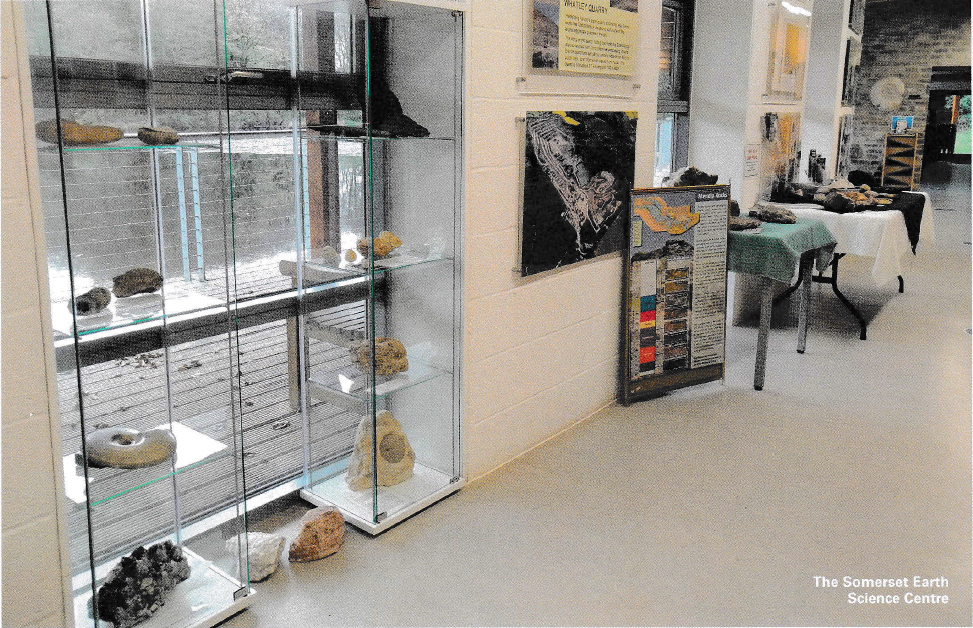
The collection was carefully evaluated by the writers to identify potential museum-quality donations as well as selecting fossils suitable as handling and reference material for Somerset Earth Science Centre (SESC), based at Moons Hill Quarry in the Mendips. SESC provide educational activities in geology and natural history for local school and college students and local community groups. They also work closely with the public by coordinating an annual, month-long, geology festival ‘Mendip Rocks’ across Somerset. They provide quarry tours and hold activity-led open days throughout the year. The Centre’s collection of fossils, minerals and rocks is one of its most important educational resources. SESC’s museum and handling collections are almost entirely made up from donations derived from abandoned and rescued collections – some from schools and others from individual collectors. The most extensive of those acquired by the Centre came from Stonar School, Atworth near Bath (Carpenter, 2020) and from Kingswood School, Lansdown, Bath (Brown, 2022). Both schools stopped teaching geology in the late 1970’s and their collections were moth-balled and put into storage. They remained in this state for over 40 years until the Centre acquired them.
The Centre has received a number of fossil and mineral donations from individuals/local collectors since its inception in 2009. The Townson Collection represents one of the largest donations to date.
2 Chris and Sue Townson
Chris and Sue Townson (Fig. 1) collected most of their fossils during walks in the south Cotswolds and in particular in the Wotton-under-Edge area. They started their regular fossil collecting forays in the late 1990’s. They were keen walkers combining their love of the countryside with their interest in geology. They were both avid fossil hunters who used the network of public footpaths to explore and collect.
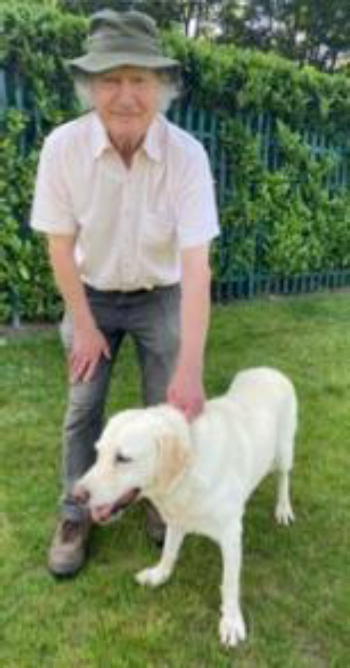

Fig. 1: Chris Townson (photograph taken 2022) and Sue Townson (photograph taken 2000) and their dog, Tessa. Photos: Chris and Sue Townson
Most of the fossils were found ex situ from a variety of settings including field walking, scree slopes and the spoil heaps of badger setts. If, on occasion, the fossils were too heavy to carry over a long distance they were sometimes stashed at the roadside to be collected by car at a later time. The loose ex situ fossils, many of them matrix-free, were picked from the ground without the need for a hammer and chisel. The fossils occurred in abundance, some poorly preserved and weathered, but a significant number were found in remarkably good condition.
Both Chris and Sue Townson joined BNS in 2001. Chris took on the role of Geology Section, field secretary in 2008 until 2012. During this time, he and Sue led regular geology field excursions for the Society to areas of the Cotswolds that they regularly visited to collect fossils. These included locations between Tresham and Alderley, Newington Bagpath into Ozleworth Bottom and Newark Park.
Sue’s interest in nature and geology began at a young age and she remained an avid collector throughout her life. Sue, sadly died in October 2016.
3 The Townson Collection
The vast majority of the Townson Collection was found ex situ with a large proportion of fossils originating from the Cotswold Cephalopod Bed (Bridport Sand Formation of the Lower Jurassic). Minor elements of the collection included fossils from Dundry Hill near Bristol (Jurassic: Inferior Oolite Group), Hock Cliff near Fretherne (Jurassic: Lower Lias), Gloucestershire and Aust Cliff in South Gloucestershire (Late Triassic: Rhaetian). Some of these fossils were retained by the authors for donation and handling, but are not discussed any further here.
The collection comprised a range of preservation types and as you would expect, some of the fossils were weathered, lacked surface detail and were incomplete. Poor preservation was often the result of sub aerial erosion and frost damage over many years. That said, many of the specimens were in remarkably fine condition considering the extended time many of them had been exposed at, or close to, the surface. This may be largely due to the steep terrain (seldom, if ever, ploughed) so the fossils were spared the damaging impact of farming practices over an extended time period. Several well-preserved ex situ ammonites were complete to the shell border, a detail normally associated only with in situ fossils (Plates 1 & 2).
The individual fossils were presented in the collection just as they had been found with no attempt to develop them further. Where necessary, loose debris and soil had been removed with a dry brush or the specimen washed with water. No glues or consolidants were used to repair or conserve the fossils. The fossils from each walk were carefully packed in trays and boxes with an accompanying note detailing the date and location of each walk and a list of what was found (Fig. 2). Sometimes a sketch map showed the fossil site in relation to the footpath network, nearby villages and landscape features including natural ponds, animal tracks and copses.
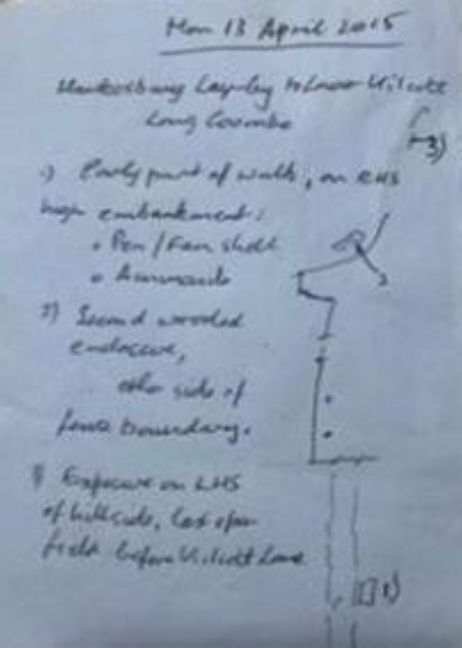

Fig. 2: Examples of notes written by the Townsons to accompany their fossils
Detailed identifications had not been attempted by the Townsons and the fossil collection lacked a systematic written or digital catalogue. This minimalist approach to collecting fossils and managing the collection allowed the Townsons to concentrate on collecting new fossils without the distraction of time consuming and often laborious curation.
Although Chris and Sue gave talks and presentations about their fossil collecting activities to members of local societies, they did not aspire to write or publish about the collection themselves. This paper represents the first time a detailed account of the Townson Collection has been attempted.
4 The Geological setting
The most recent and comprehensive description of the Cotswold Cephalopod Bed Member and the Bridport Sand Formation at Wotton Hill can be found in the Geological Conservation Review series on British Lower Jurassic stratigraphy (Simms, M.J. et al., 2004).
The abundant and diverse ammonite fauna found in the Cotswold Cephalopod Bed Member is evident in the material in the Townson Collection. Late 19th and early 20th century geologists, notably J. Buckman (1879) and his son S.S. Buckman (1887-1907, 1889) published on the Bridport Sand Formation and, in particular, figured the ammonite fauna found in the Cotswold Cephalopod Bed. These accounts would be followed by Richardson (1910b), Reynolds (1921) and Ager (1955), who described the brachiopods and more recently by Murray and Hancock (in Savage 1977) and Doyle (1990 – 1992) who concentrated on the belemnites.
Benthic species including a rich assemblage of bivalves, brachiopods, echinoids, gastropods, corals, serpulids, sponges and uncommon bryozoa are also represented in the Townson Collection (see Appendix 1 and 2).
The Bridport Sand Formation in the Cotswolds is developed predominantly in an arenaceous facies of friable, yellow silty sands with regular bands of harder calcareous sandstone. Intense bioturbation has largely destroyed sedimentary structures, although some bedding detail and burrows are preserved in some beds. Fossils are generally uncommon except at certain horizons. The fine grained and silty lithologies suggest a lower-energy environment and were thought by Davies (1969) to represent a mobile sand-bar complex.
The Cotswold Cephalopod Bed Member is a locally developed condensed sequence within the Bridport Sand Formation (Fig.3). It is particularly rich in ammonites, as well as other pelagic animals including nautiloids and belemnites, which are also represented in the Townson Collection. The typically unbored and unencrusted preservation of the ammonites suggests that they did not lie exposed on the seafloor for long, but were buried fairly quickly. This may appear to conflict with the assertions of Simms, M.J. et al. (2004) that sedimentation rates in the late Toarcian were very slow. However, those authors also allow that sediment could have been released due to scouring of the seafloor by storm surges, which would have provided a local source of sediment in large quantities over brief periods, In support of this, particularly in the Thouarsense Zone and the Fallaciosum Subzone, many of the ammonites are stripped to cores, or distorted and reworked, indicating that they were exhumed at some time after lithification and buffeted around on the seabed.

Fig. 3: The Lower Jurassic (Toarcian Stage) ammonite Zones and Subzones of the Bridport Sand Formation and the Cotswold Cephalopod Bed represented at Wotton Hill near Wotton-under-Edge, South Gloucestershire (after Simms, M. J et al, 2004).
Certain ammonites have been replaced by Limonite (calcareous hydrated iron oxides). These specimens are generally ones which have been derived from earlier sediments and reincorporated later. The succession in the mid Cotswolds is condensed, suggesting that sedimentation rates at times were very low. In this low-recharge environment, the exhumed lithified fossils could offer an attractive option for organisms requiring a hard substrate. One such organism is calcareous green algae, acknowledged by Simms et al. as being successful in this setting. Calcareous algae excrete iron hydroxide gel, hence accounting for the presence of Limonite in the mineralogy.
The rich diversity and abundance of ammonites suggest that the fossil fauna here did not come from a slow accumulation of ammonite shells, but probably reflects a general abundance of this group in the living fauna (Simms et al. 2004). The overall picture appears to be a regime of low sedimentation, punctuated by periodic mortality events which may have been linked to tectonic disturbances or storm surges.
With reduced rates of deposition, burrowing bivalves such as Astarte and Trigonia occurred, and deeper burrowers (Pleuromya, Pholadomya and Pseudolimea) thrived and were common elements of the benthic fauna.
With decreased turbidity, several brachiopod species were present as well as a number of infaunal and epifaunal echinoids that lived in and on the sea floor sediments.
Small, mobile solitary corals (Oppelismilia) also flourished under circumstances unfavourable for sedentary forms. They typically grow in shallow, well-lit, warm water with moderate to brisk turbulence and abundant oxygen. They are good indicators of loose, soft, sand substrates.
Bryozoans were uncommon, and epifaunal encrusters were represented by serpulids, with some attached to the internal casts of ammonites.
One feature of the collection was the large number of round balls of dense micritic limestone 1–2.5cm in diameter. These are known as Oncoids or Oncolites and were formed by the accretion of calcium carbonate on to a mobile grain due to the action of cyanobacteria.
5 Sorting the collection
The first tranche of the collection was picked up by van in late January 2024 from Chris Townson’s house in Frampton Cotterell, South Gloucestershire.
Chris Townson had agreed to allow the collection to be dispersed between various museums and educational establishments. The writers became the new custodians of the collection and were tasked with sorting through the fossils to decide which specimens were important enough to donate to museums on scientific grounds. Bristol Museum & Art Gallery (BMAG) manages a regionally important and designated geological collection, and was chosen to be the main recipient of donated fossils (see Appendix 1 for details of all donated fossils from the Townson Collection). Another group of fossils was identified as suitable for a handling collection and were offered to SESC. Others with limited scientific value but with aesthetic appeal were sold to raise funds to support the work of SESC. The remaining residue, of poorly preserved material with little scientific value was disposed of. The entire selection and sorting process took just over a year from the date of the first collection in January to December 2024.
To maintain the integrity of the original collection a specific fossil label was designed to accompany the fossils retained in handling collections and for sale. Each label detailed the taxonomic name, the lithological unit that it came from and its geological age, the location, a map reference and the date the material was collected, if known. A brief statement outlining the role of SESC in promoting local geology was included as well as an acknowledgement to Chris and Sue Townson as the collectors.
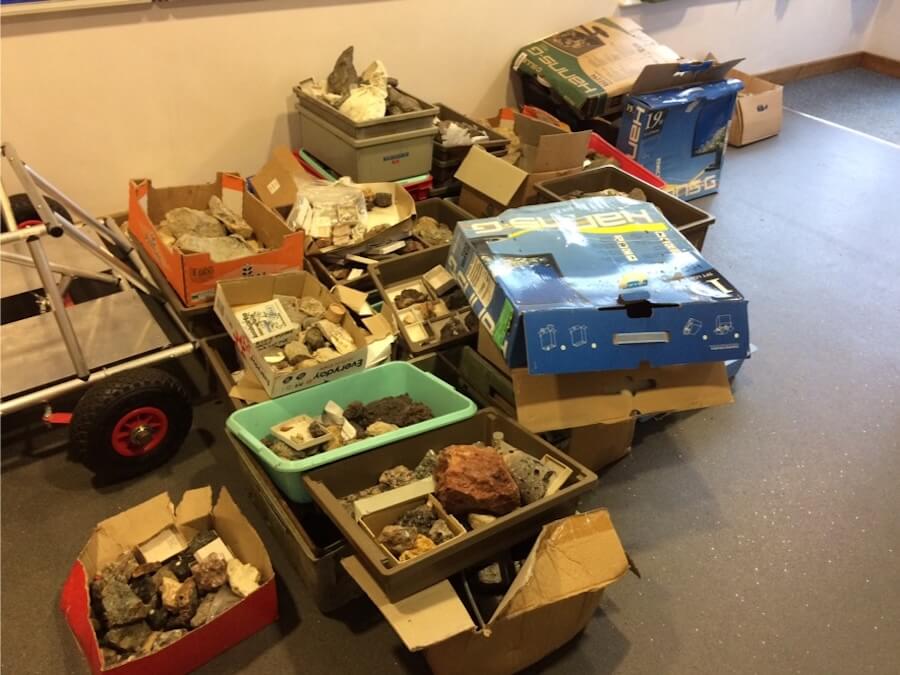
During the sorting phase, the Townson Collection was stored by Simon Carpenter in various sheds across the garden allotments at Innox Hill, Frome, where he lives. This formed a convenient base from which the collection could be studied or moved temporarily to other locations, including SESC and Alan Bentley’s house in Bath. Here, volunteers would assist with the task of sorting through the collection to decide which fossils were to be kept and which were to be disposed of (Fig. 4).

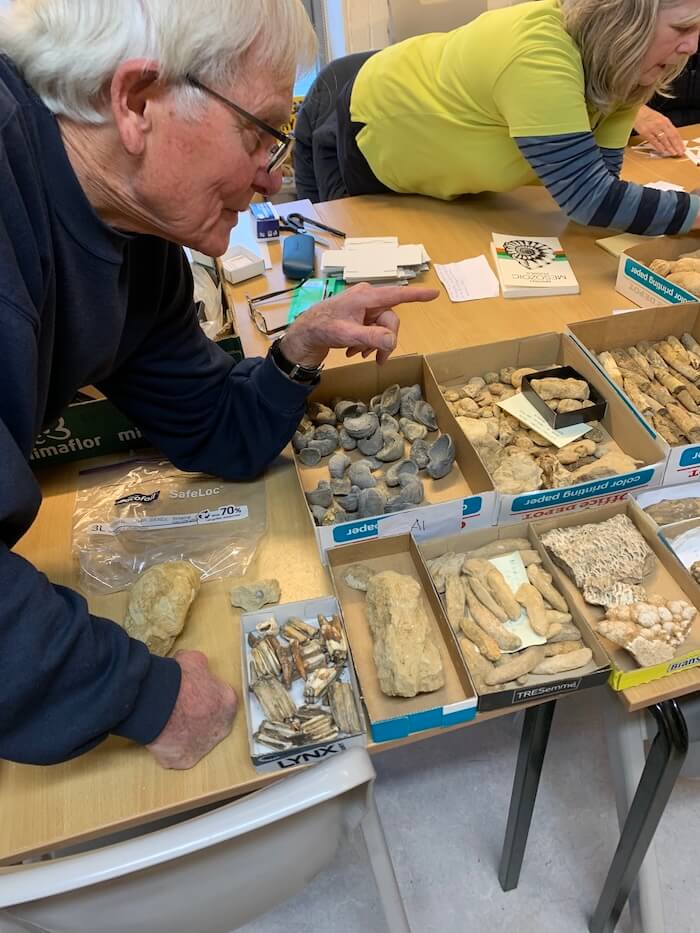
Fig. 4: Part of the Townson Collection at Somerset Earth Science Centre (14th March 2024). Left: Richard Ashley sorting through the fossils with Centre manager, Adel Avery in the background. Right: Peter Hardy, Centre volunteer with Adel identifying fossils that were suitable for their handling collection. Photos: Simon Carpenter.
The process of identifying ‘museum-grade’ fossils was led by local geologist and ammonite expert Alan Bentley (Fig. 5). Alan has collected extensively from the Cotswold Cephalopod Bed of Wotton Hill near Wotton-under-Edge, but unlike the Townsons whose collection was composed of ex situ fossils, Alan’s fossils were all recorded in situ through meticulous bed by bed collecting. Alan is also very familiar with much of the territory covered by Chris and Sue Townson during their walking and collecting forays. His considerable skills at identifying individual ammonite species and recognising their abundance or not was critical to sorting the Townson Collection.
The criteria used to retain fossils for donation included their taxonomic rarity or abundance, their association with previously unregistered localities and their association with rarely exposed parts of the succession and also for their scientific value rather than aesthetic/display value. A number of ammonites were kept because these displayed interesting pathological features.
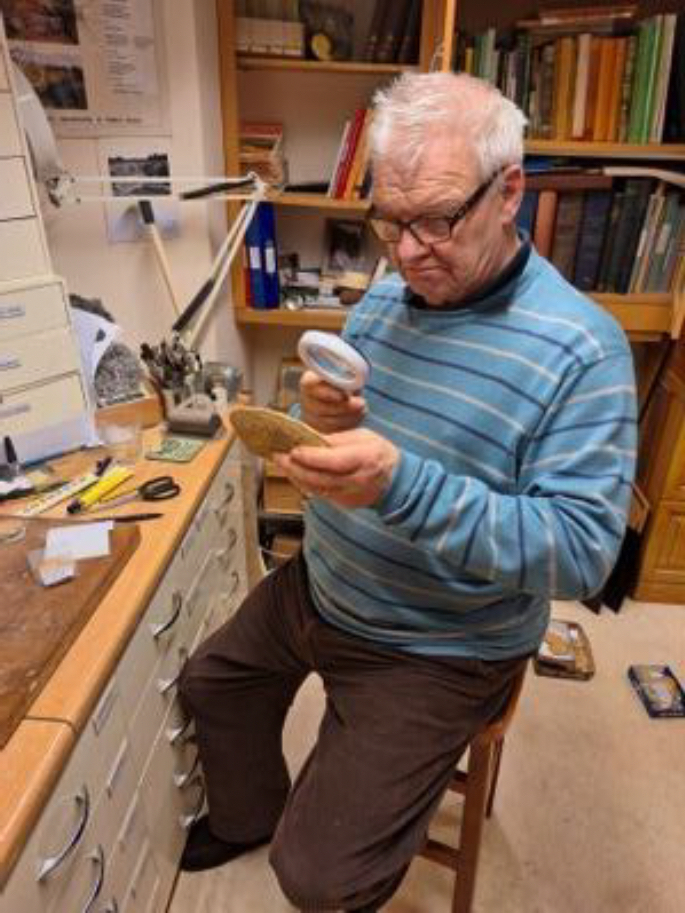
Fig. 5: Alan Bentley identifying an ammonite from the Townson Collection. Alan’s expertise was critical to the success of the project. Photo: Anne Bentley, March 2024.
6 Summary
The main reasons for rescuing the Townson Collection were to assess it for scientifically valuable material and to prevent it from being disposed of and lost to science. At the start of the project, the writers were uncertain about how much of the Townson collection would be rescued as donations to BMAG and/or offered to SESC to sell, give away or retain as part of their handling collection. Not all the collection would be saved. Poorly preserved or incomplete fossils were removed and disposed of. At the time of writing, almost 140 fossils were identified as museum donations. The quantity and quality of these donations has more than justified the time it has taken to examine and repurpose the collection. The process has also highlighted the importance of scrutinising the contents of local collections for interesting material before they are lost, sold or disposed of.
A significant number of scientifically important fossils were identified from the Townson Collection and will be donated to BMAG (see Appendix 1). An additional research collection of invertebrate fossils was taken by Alan Bentley and will, at a later date, be donated to the British Geological Survey (see Appendix 2). The donations to BMAG (one of the most significant regional collections in the UK, an Accredited museum that cares for a Designated geological collection) and the British Geological Survey (the UK’s foremost biostratigraphical collections of over 3 million specimens) will provide an outstanding collection legacy for the Townsons as well as making the scientifically important fossils from their collection accessible for future generations of paleontologists, geologists, scientists and the wider public.
It would be easy to downplay the scientific/stratigraphic importance of the Townson Collection on the grounds that much of it was found ex situ. Greater scientific value is often conferred on in situ fossils and in particular ammonites, because they are used extensively in correlating the Jurassic succession.
At Wotton Hill (ST 754 940) the exposure is exceptionally important because it exposes the entire Cotswold Cephalopod Bed Member. It is a key site in any investigation of this local Upper Toarcian lithofacies and integral to the interpretation of the Bridport Sand Formation in the area (Simms, M. J. et al, 2004). The ammonite fauna from the Wotton Hill area has been studied exhaustively by generations of geologists. The Cotswold Cephalopod Bed Member is so well constrained that many of the Townson Collection ammonites could be confidently assigned to specific beds/ zones by competent, experienced experts even though they were found ex situ.
As noted by Alan Bentley during the sorting process, a number of interesting observations were made about the Townson Collection. Firstly, the large sample size (it was estimated that the Townson Collection contained several thousand fossils), many of them collected indiscriminately without any collecting preferences or biases. This allowed an unparalleled opportunity to study variations and statistical balances particularly in relation to the ammonite fauna. Secondly, the evident thoroughness of retrieval meant that the entire collection was unfiltered, and provided a good exemplar of the setup in situ. Even the excessively weathered examples indicated the incredible length of time some of the fossils had been exhumed from outcrop and exposed to the weather, from a few weeks to tens of years.
Another focus of interest was the different ammonite shell pathologies, including predatory bite marks and shell deformities which gave a remarkable insight into the sometimes traumatic lives of the animals themselves.
This all helps bring the Toarcian seafloor back to life and although many of these observations are not pursued any further here, they do provide prompts and opportunities for future research.
A copy of this paper will accompany the donations to provide information on the collection and biographic detail of the collectors, Chris and Sue Townson.
7 Acknowledgements
Without the generous donation of the Townson Collection, this extensive and fascinating collection would have been lost along with the story of how it was found, and for this we are indebted to the collectors, Chris and Sue Townson. The authors would like to give particular thanks to Deborah Hutchinson, BMAG for suggesting improvements to the manuscript. John Whicher is thanked for providing the wonderful images of the ammonites figured in the paper.
8 Bibliography
Ager, D.V. (1955) Field Meeting in the Central Cotswolds. Proceedings of the Geologists’ Association, 66, 356–65.
Brown, D.M. (2022) The Kingswood Geology Collection. Old Kingswoodian Associations News. Kingswood School, Bath.
Buckman, J. (1879) On the so-called Midford Sands. Quarterly Journal of the Geological Society of London, 35, 736–43.
Buckman, S.S. (1887–1907) A monograph of the ammonites of the Inferior Oolite Series, Monograph of the Palaeontographical Society, Palaeontographical Society, London, 9 parts and 5 supplements.
Buckman, S.S. (1889) The Cotteswold, Midford and Yeovil Sands and the division between Lias and Oolite. Quarterly Journal of the Geological Society of London, 54, 442-62.
Carpenter, S. (2020) A Pop-Up Fossil Museum in Frome: Breathing new life into an old geological collection. Unpublished notes.
Davies, D.K. (1969) Shelf sedimentation: an example from the Jurassic of Britain. Journal of Sedimentary Petrology, 39, 1344–70.
Doyle, P. (1990–1992) The British (Lower Jurassic) Toarcian Belemnites. Monograph of the Palaeontographical Society, Palaeontographical Society, London, 2 parts, 79 pp.
Lehmann, U. (1981) The ammonites: Their life and their world. Cambridge University Press, London.
Murray and Hancock, in Savage, R.J.G. (1977) The Mesozoic strata of the Mendip Hills. In Geological Excursions in the Bristol District (ed. R.J.G. Savage), University of Bristol, Bristol, pp. 85–100.
Reynolds, S.H. (1921) A Geological Excursion Handbook for the Bristol District, 2nd edn, J.W. Arrowsmith, Bristol, 224 pp.
Richardson, L. (1910b) The Mesozoic rocks of Gloucestershire and Somerset. In Geology in the Field (eds H.W. Monckton and R.S. Herries), the jubilee volume of the Geologists’ Association, Edward Stanford, London, pp. 329–64.
Simms, M. J., Chidlaw, N., Morton, N. and Page, K.N. (2004) British Lower Jurassic Stratigraphy, Geological Conservation Review Series, No. 30, Joint Nature Conservation Committee, Peterborough, 458 pp.
9 The Fossils: Selected Specimens from the Townson Collection
To view the selected specimens and read the full article, download the pdf here.