
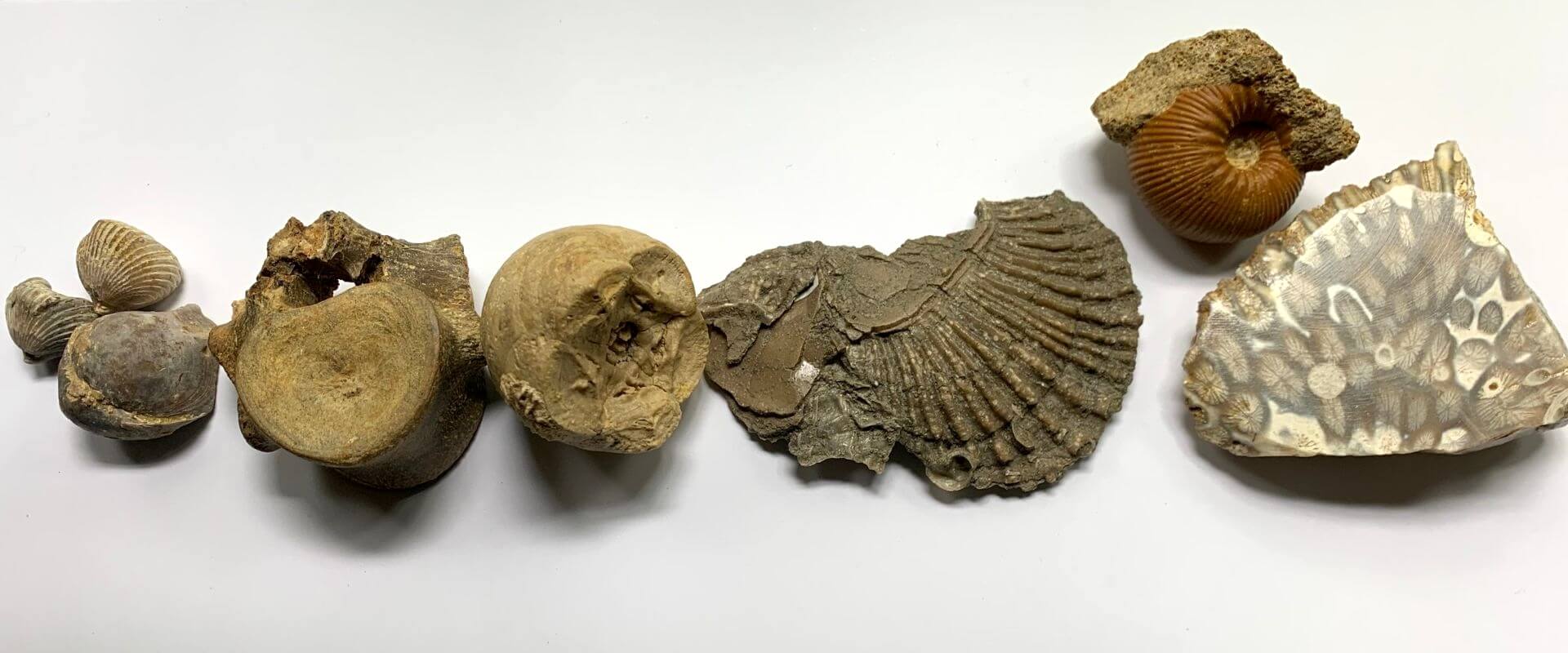
Donate Your Fossil Collection
All you need to know about how donation works and what happens to the collection.
Our mission is simple – we want to rescue and repurpose geological collections (rocks, minerals and fossils) that are no longer wanted so that they can continue to inspire and be studied by the next generation of geologists and naturalists.
First contact
If you think we can help repurpose your geological collection, please get in contact using the ‘First contact’ form.
Before we commit to taking on a collection, it is essential that we first visit it to understand the type, size and scope of the collection. The completed ‘First contact’ form will provide the team with some of the information they need before the first visit.
We will make contact within two weeks of receiving the completed form to arrange to view your collection. When we meet up in person, this will provide an opportunity to discuss concerns and aspirations for the collection.
In an ideal world, we would like to save every collection we are offered, but in practical terms this is likely to be very difficult because of space and time constraints.
Agreeing a way forward
Collections can only be accepted if they are offered free of charge.
Funds will be needed to process the collection, to pay for its transport, curation and repurpose. Some of these costs will be offset by the sale materials from the collection. We would welcome a financial donation to cover some of these costs, if you are able. To find out more about donations, please contact Somerset Earth Science Centre. Funds are not essential to accompany your collection.
The donor/collections administrator is required to transfer the ownership of the collection to ‘Rock Rescue’.
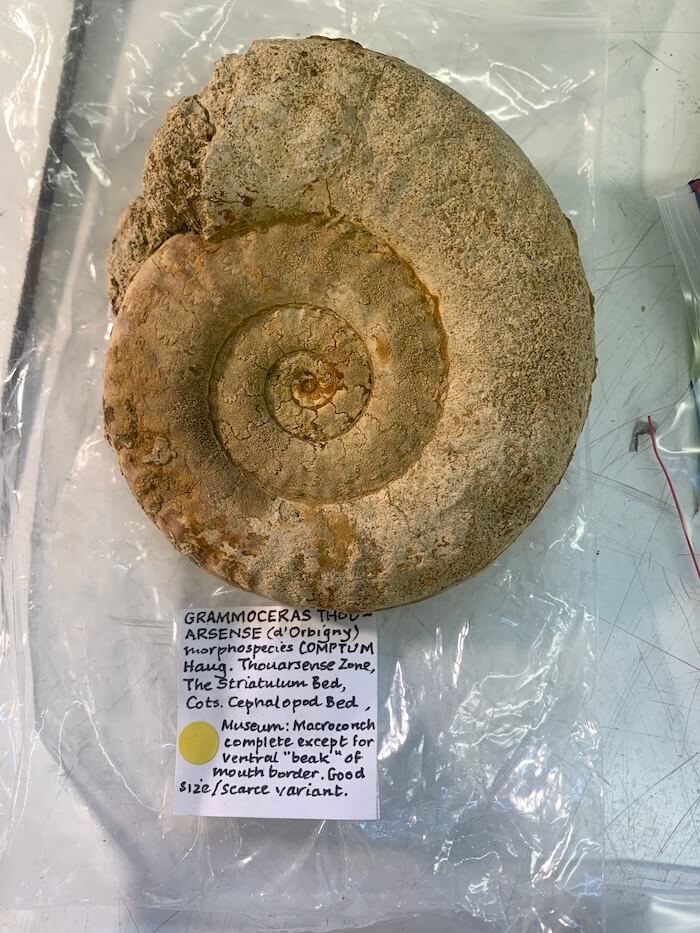
Although collections may be offered to ‘Rock Rescue’ in their entirety, it is unlikely that the collection will remain intact. It is more likely that specimens or groups of specimens will be dispersed across a number geological destinations including museums, Somerset Earth Science Centre, schools and colleges. The donor needs to be aware and agree to the dispersal of their collection or the collection under their supervision. Many of the institutions that are interested in accepting donations, especially regional museums – have limited space and resources. They may also have specific criteria for donations – only accepting geological objects that relate to their county collecting areas.
It is important that you are happy with our plans for your collection. You will be required to sign a document to say that you understand and agree to our activities to re-use and re-purpose your collection. By signing this document, the ‘Transfer of ownership form’ you agree to the transfer of the geological collection to ‘Rock Rescue’.
Processing the Collection
If we agree to take on the collection, we will collect and store it, so that it can be easily accessed by the team.
Our team has a range of specialist knowledge, which will be used to screen the collection. Where our knowledge is lacking we can draw on a network of geological specialists from museum and university settings to help us as well as other fields of geological expertise. The following groupings will be identified:
- Unusual or scientifically important specimens that should be considered for museum donation.
- Good quality specimens that are not important enough for donation may be used in handling collections.
- Specimens that do not fulfill the above criteria, for donation or handling will be sold at public events or on eBay. Funds raised from the sale of fossils will be used to support the work of Somerset Earth Science Centre, our chosen charity, with a small amount used to cover ‘Rock Rescue’ project expenses and overheads. No salaries are paid.
- Any parts of the collection that cannot be donated, used in a handling collection or sold will be given away or disposed of.
Final outcomes
At the end of the collection screening process, we will have identified key elements of the collection.
Museum donations: If specimens are recognised as potential museum donations, the team will facilitate the donation by approaching an appropriate museum. If the specimen/s are accepted as a donation – the full details of the collector will accompany the object as well as any associated documentation. You will receive a copy of the museum donation form as an acknowledgment and record of the donation.
Having geological material in our national and/or regional museum collections should be considered a very positive outcome. Donation to museum collections provides a lasting legacy for the collector and a new ‘life’ for the object, so to speak, as part of a research collection.
Handling collection donations: If specimens are seen as useful ‘handling’ specimens – these will be retained and used at Somerset Earth Science Centre or offered as school geology collections. All handling specimen will retain all the associated documentation including the collector’s name.
Handling collections provide an opportunity for members of the public and students to touch and study rocks, fossils and minerals at close quarters. This provides a novel inspiring learning experience for many – touching and handling museum specimens is often prohibited because of the specimen’s fragility and rarity.
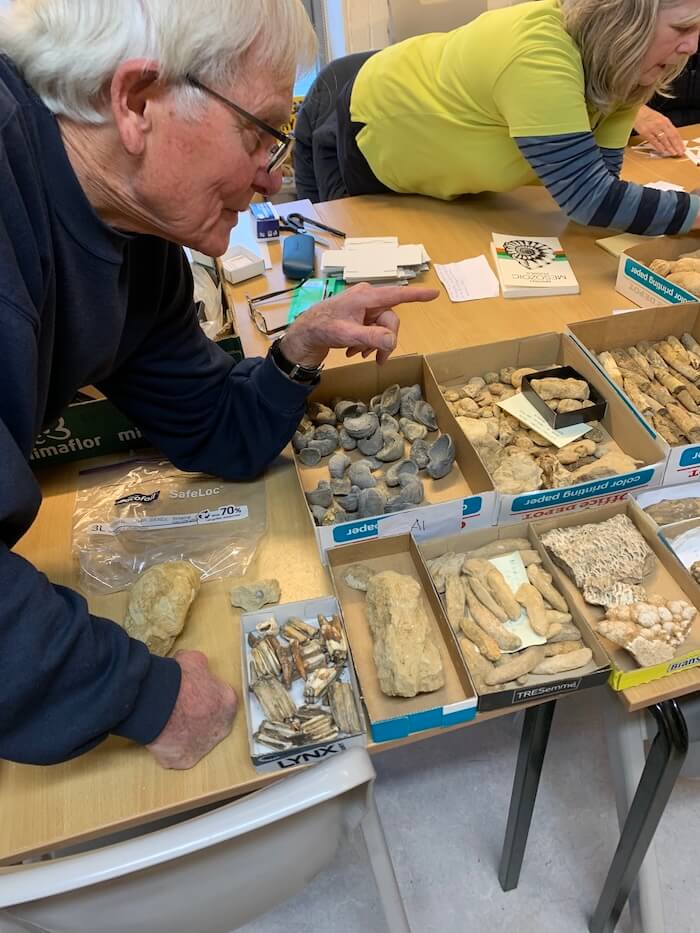
If specimens are of inferior quality and are not suitable for handling collections, they will be sold at public events or on-line. All proceeds of sales support the charity objectives and work of Somerset Earth Science Centre. All the material in this category will include details of the collector.
The collection donor/collector will receive a summary report detailing the acquisition, screening and repurposing of the collection.
Please read the ‘Successes’ section to see how past donated collections have been managed.
Donate Your Collection
If you have a collection that needs a new home, please fill out our applicaiotn form to help us rescue and repurpose these specimens.
Ensuring Geological Collections Live On
Every collection has a story, and we are proud to share where these geological treasures head next. From local schools and colleges to the Somerset Earth Science Centre and regional museums, our recent rescues are already inspiring the next generation of geologists.
We are currently showcasing a small selection of our successfully rehomed collections and will be adding more stories as we continue to save specimens from being lost to history.